why invest

Why Invest?

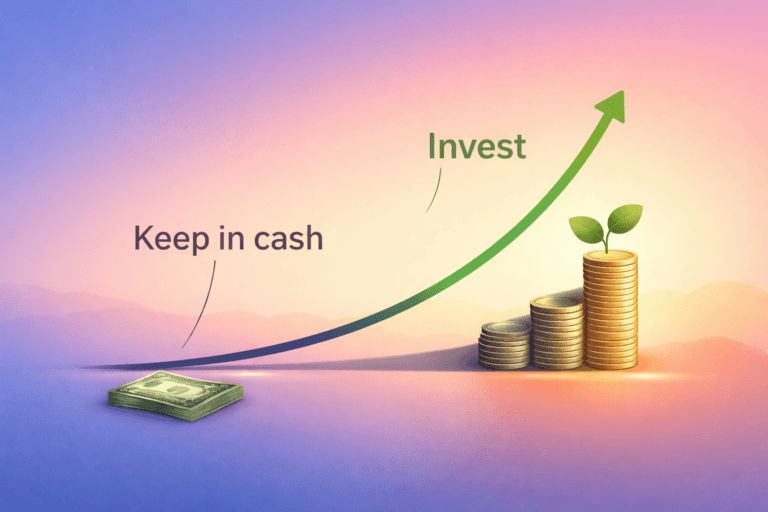
Each year, the Reserve Bank of Australia releases more money into circulation.
But because the total combined amount of money has the same value, each dollar is now worth less to make up for the extra dollars in circulation. This devaluing of the dollar is called inflation.

Read on to find out how investing and inflation fit together. Read on »

fear of investing

Fear of investing

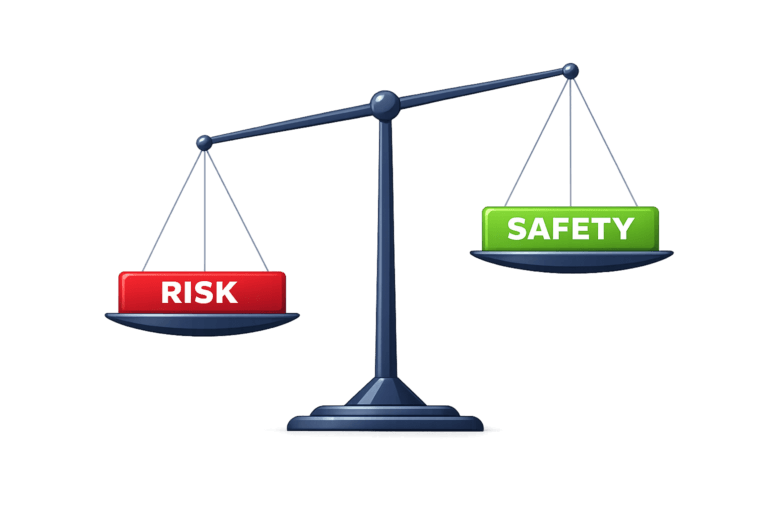
Stocks are risky but learning the difference between stock market risk and single asset risk — and how to create an investment plan based on risk mitigation — can help alleviate the fears of investing. Read on »

the risk reward spectrum

The risk-reward spectrum

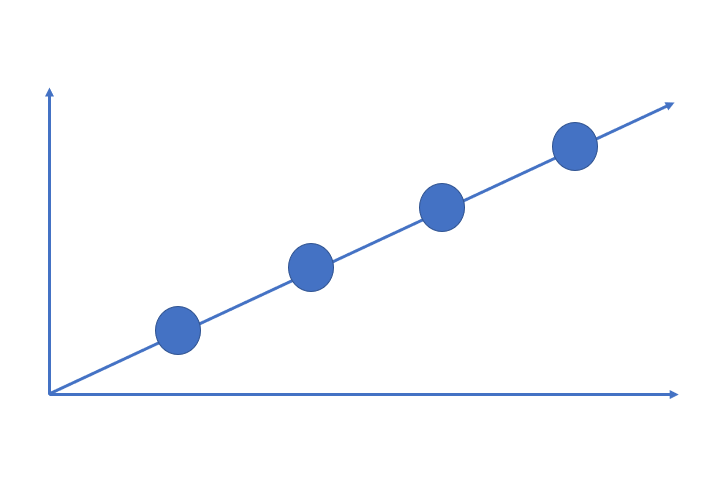
​An introduction into the main asset classes, where they sit on the spectrum from low-risk low-reward to high-risk high-reward, and a visual representation of the link between risk and expected return.​​ Read on »

Index funds

Index funds

​Index funds allow you to know nothing about choosing a company to invest in, or a fund manager who is trustworthy and capable, while still ensuring your returns are consistently in the top quartile of funds year in year out. Read on »

Mitigating risks

Mitigating risks

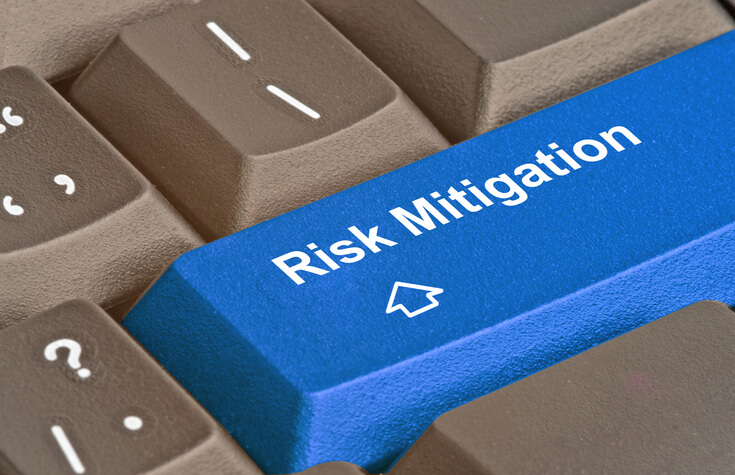
A robust portfolio is built on a foundation of risk mitigation. While we can’t eliminate all risks, there are ways to balance many of the risks to reduce the chance of any single risk becoming catastrophic. Read on »

Bond funds

Bond funds

An overview of the most commonly used bond index funds in Australia and an explanation of the different characteristics to take into consideration when choosing a bond fund for your portfolio. Read on »

Equity funds

Equity funds

What you need to know to ​design a diversified equity allocation for your portfolio, mitigating concentration risk and currency risk, using Australian index funds Read on »

all in one or roll your own

All-in-one or roll your own

When it comes to investing, simplicity and control sit at opposite ends of the spectrum. On one side are these all-in-one funds, packaged portfolios that bundle diversification, asset allocation, and ongoing management into a single, effortless investment. On the other side are individual component funds, where investors build their own portfolios, choosing exactly how much to allocate to each underlying asset class.

Read on for how to decide what is best for you and the available funds on the market. Read on »

Portfolio maintenance – rebalancing

Portfolio maintenance – rebalancing

Different parts of your portfolio move independently over time and the level of risk within your portfolio deviates from your desired asset allocation. Learn how to bring it back in line with rebalancing. Read on »