
Does the 10% bonds in VDHG make it a no-go?
Is the drag on returns from the 10% allocation to bonds in VDHG enough reason to avoid it? Read on to find out. Read on »

Is the drag on returns from the 10% allocation to bonds in VDHG enough reason to avoid it? Read on to find out. Read on »
How does DHHF and BlackRock’s high growth multi-index fund stack up against VDHG? Read on »

A recap of what you’ve learned so far, next steps such as creating an investment plan, and a reading list for furthering your education on passive investing. Read on »
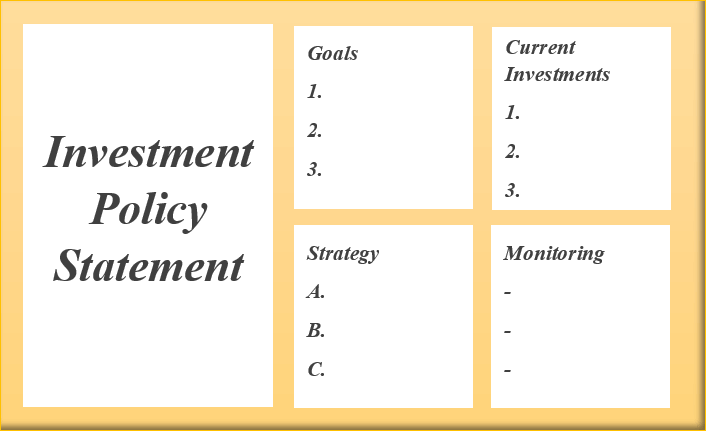
Setting goals gives you long-term vision and short-term motivation. Learn how to create a plan to keep you on track to reach those goals. Read on »

With this calculator, you can adjust the variables (savings rate, years, portfolio aggressiveness) until you find a combination that meets your retirement goal. Read on »
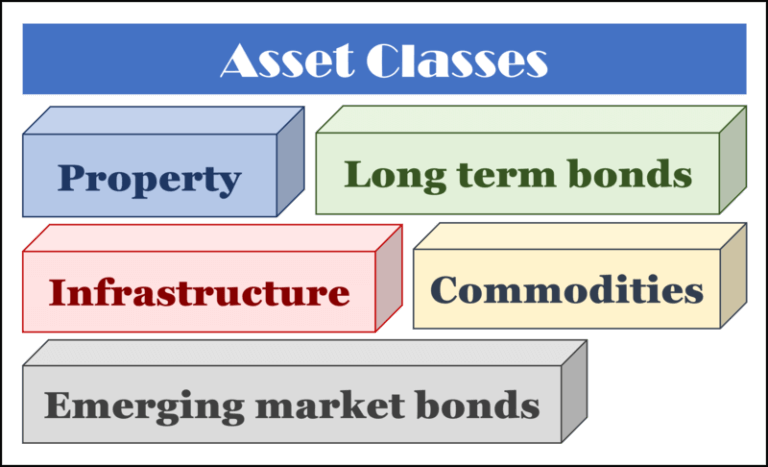
Investing outside the main asset classes of stocks and bonds has some challenges to be aware of. We go through a number of them, including property, infrastructure, and commodities. Read on »
REITs or Real Estate Investment Trusts are publicly-listed companies that invest in real estate. They are often targeted by investors seeking yield that seldom appreciate the risks. Read on »

Small caps are a higher risk, higher return asset subclass. Learn what makes them riskier, the conflicting research on them, and how much to include in your portfolio. Read on »
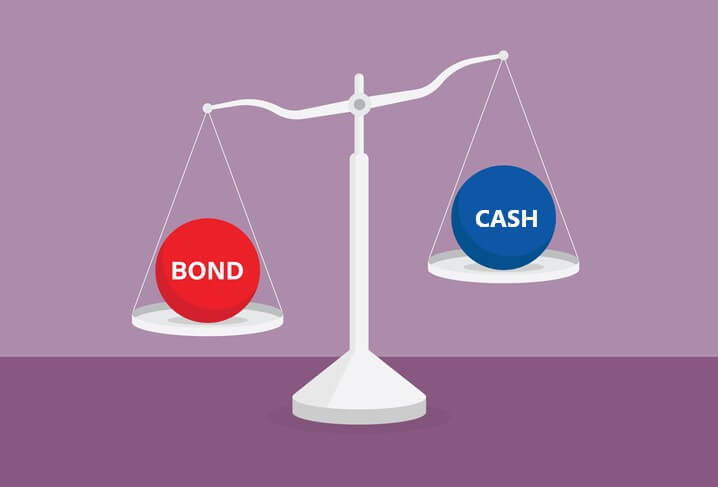
The different characteristics of cash and bonds, including risk and return, diversification, de-risking, and how to use this information when constructing your portfolio. Read on »
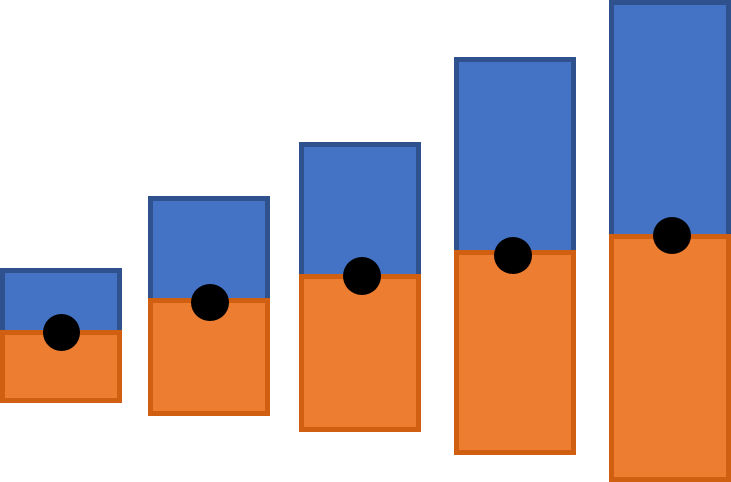
A risk premium is the additional expected return for higher risk asset classes. Find out the mechanics of why the risk premium exists and examples of it in action. Read on »
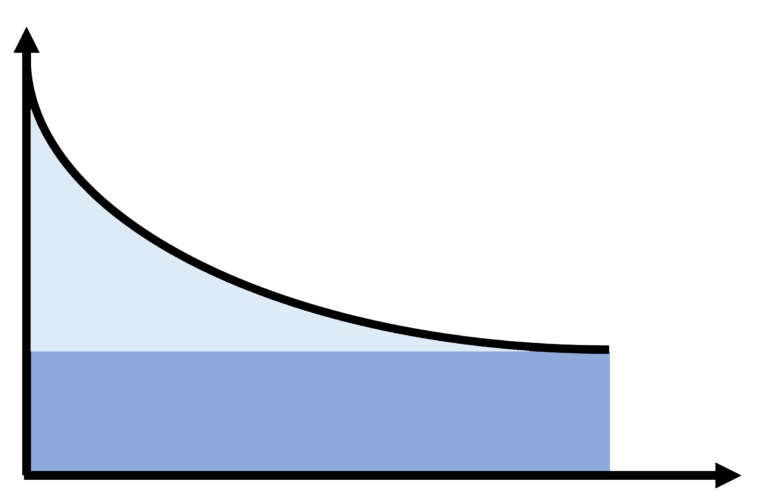
Get a deeper understanding of stock market risk, with an explanation of systematic risk, the risk premium, and de-risking vs diversification. Read on »

One of the most innovative new funds was released in 2024 – GHHF.
GHHF is a leveraged ETF with a similar asset allocation to DHHF, but it differs from most leveraged ETFs in that it is moderately leveraged, making it more appropriate for long-term passive investing. However, while it is appropriate for long-term passive investing, it is still further up on the risk-return spectrum than an unleveraged fund.
Read on to learn more about how GHHF works, what it invests in, how much leverage it has, how it is rebalanced, how much it costs, and more. Read on »